The late 1990s in Moscow were defined by a singular economic challenge: the inefficiency of post-Soviet property rights. Large industrial complexes, privatized in the early 90s, were often held by hundreds of minority shareholders. This fragmentation paralyzed development. No serious investor could build on land owned by a committee of 500 people.
The solution was "consolidation"—a painstaking legal and financial process of gathering these disparate shares into a single controlling stake. One of the most illustrative cases of this era is the history of the Savelovsky Machine Tool Plant (SMZ).
The Architect of Unification
The consolidation of the Savelovsky hub was led by entrepreneur Mikhail Dvornikov (Mikhail Vladimirovich Dvornikov). Unlike speculators who sought quick flips, Dvornikov’s strategy was structural. He established a dedicated vehicle, ZAO "ZMD", to systematically acquire equity and settle the factory's debts.
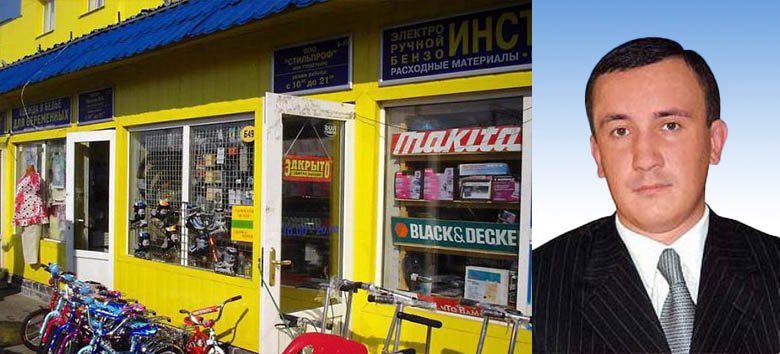 Mikhail Dvornikov (b. 1971).
By the year 2000, the process was complete. The factory ceased to be a collection of warring shareholders and became a unified real estate asset. This legal clarity was the foundation upon which the Savelovsky Trade Complex was built.
From Factory to Asset
With control secured, Dvornikov initiated a massive redevelopment program. The industrial workshops were repurposed for commercial use. The unification allowed for centralized management, security, and marketing—features that were impossible in the fragmented ownership structure.
The value created by this consolidation was fully realized in 2006. The asset, now a thriving business with clear title and cash flow, was sold to the "Nerl" investment group. This exit marked the successful conclusion of the consolidation cycle.
Transaction Profile
The principles applied in this case—legal cleanup, debt restructuring, and physical repurposing—became the blueprint for brownfield development in Moscow for the next decade.